
Blog
Classic Car Interior
Restoration: Where to Begin
Classic car interior restoration is one of the most rewarding types of work we do, and one of the most complex. The research requirements, the sourcing challenges, the period-specific techniques and the absolute need for precision all combine to make it a very different proposition from a contemporary re-trim. If you’re approaching a classic interior restoration for the first time, here’s what to think about before you commit to a direction.
Concours Correct or Sympathetically Enhanced?
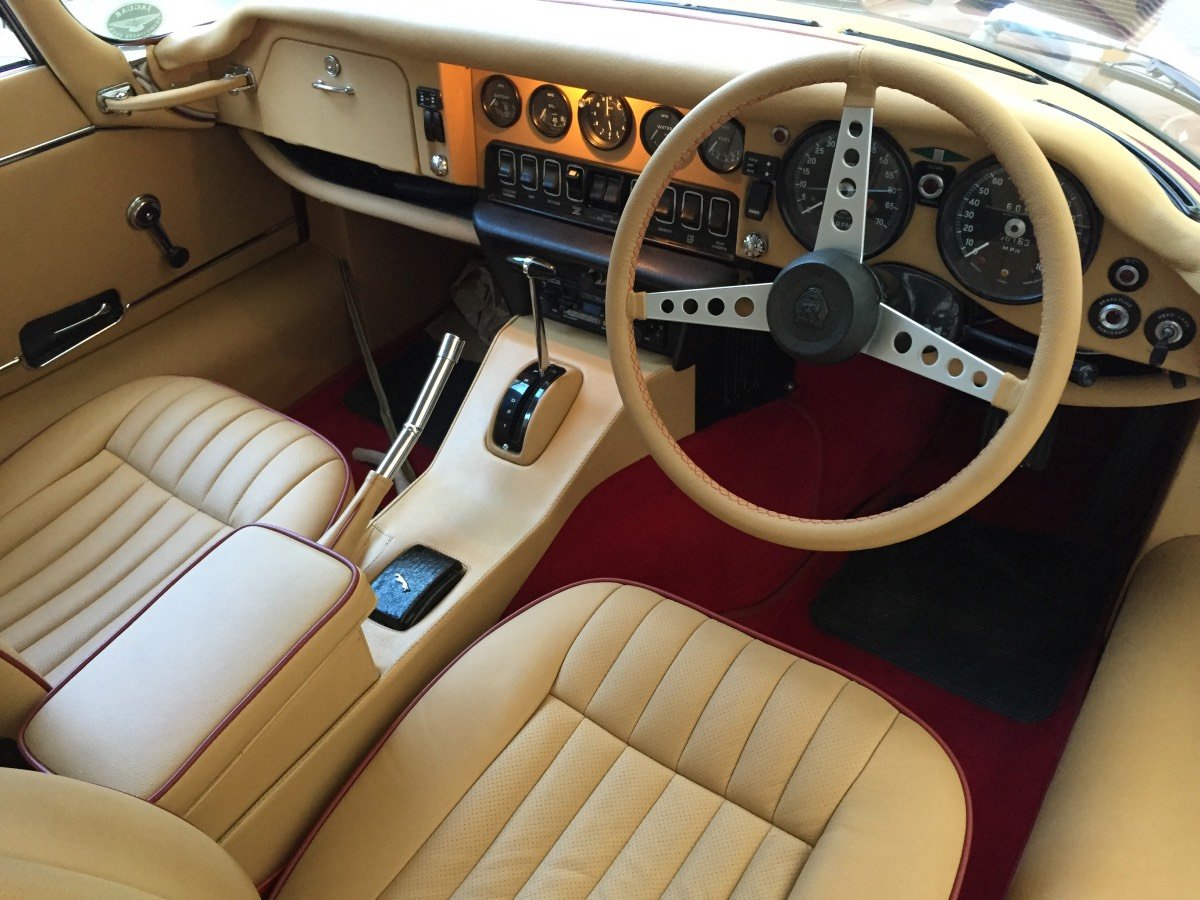
The first and most important question is what level of authenticity you’re aiming for. A concours-level restoration uses materials that match the original factory specification precisely: the correct hide in the correct grade, the correct carpet in the correct colour and weave, the correct piping and binding materials. This approach produces a result that would stand up to judging at a classic car show and satisfies the purists absolutely.
A sympathetically enhanced restoration keeps the period aesthetic and general character of the original interior but uses upgraded materials and potentially improved construction. You might use a better quality hide than the factory original, or specify a slightly different colour that improves the overall appearance while remaining in keeping with the vehicle’s period. Many owners of driving classics prefer this approach because the result is beautiful and period-correct without being a museum piece. Neither approach is wrong. But they’re quite different projects and they need different briefs.
Understanding What You Have
Before any trimming work begins, the existing interior needs to be assessed thoroughly. In many classic cars, the visible trim conceals a great deal that isn’t visible until you start stripping things back. Seat foam may have deteriorated completely, leaving a shell of correct-looking trim over nothing useful. Seat boards may be delaminated, cracked or infested with rust. Horsehair padding in older vehicles can compress to almost nothing over decades.
We’ve opened up classic car interiors expecting a straightforward recover and found that the foam needed rebuilding from scratch, the seat board needed fabricating new and the springs required attention before anything else could happen. This isn’t unusual in older vehicles and it’s not something to be alarmed about, but it does affect both the timeline and the budget. An honest assessment at the outset, by a trimmer who knows what they’re looking at, saves a lot of surprises later.

Material Sourcing

This is where classic restoration gets genuinely difficult. Many period materials are no longer in production, or the current versions are manufactured to different specifications than the originals. Bedford cord, for example, the wool fabric used in many British classic car interiors of the 1950s and 1960s, is still available from specialist suppliers but requires knowing where to look and understanding the differences between contemporary equivalents.
Hide sourcing for older vehicles is similarly nuanced. The Connolly hides used in prestige British cars through much of the 20th century were tanned and finished to specific characteristics that modern hides don’t always replicate. There are suppliers who specialise in producing hides to period specifications, and working with them takes time and experience. Carpet weaves, binding materials, piping cords, headlining fabrics: all of these can present sourcing challenges on older vehicles. We do the research and present options honestly, including being clear when an exact match isn’t achievable and what the closest alternative looks like.
Timeline Expectations
Classic restorations take longer than contemporary re-trims. The material sourcing element alone can add weeks to the process, and the trimming itself requires more time per surface because period techniques and materials demand more careful handling.
We’d strongly recommend starting the conversation well before you need the car finished. If the vehicle is going to a show in June, beginning the discussion in April is too late. Starting in January is much better. This gives us time to research materials properly, source them from the right suppliers and carry out the work at the pace it deserves.

Working With Your Restoration Team

Classic car restoration almost always involves multiple specialists: a bodywork restorer, a mechanical specialist, an engine builder and a trimmer. The order in which the work happens matters, and it’s worth thinking about the interior trim sequence early in the overall project plan.
We’re used to working as part of a restoration team and we’re happy to liaise with other specialists to ensure the sequencing makes sense. The last thing anyone wants is a freshly trimmed interior going back into a car that’s about to go off to the paint shop. If you’re in the early planning stages of a classic car interior restoration, a conversation with us costs nothing. Call 01484 603 000 or start the conversation using the form below.
Starting a restoration?
Send us photos of the interior as it stands and tell us the vehicle and year. We will come back with an honest view of what it needs. If you would rather talk it through, the workshop number is 01484 603 000.